Our Location
304 North Cardinal St.
Dorchester Center, MA 02124

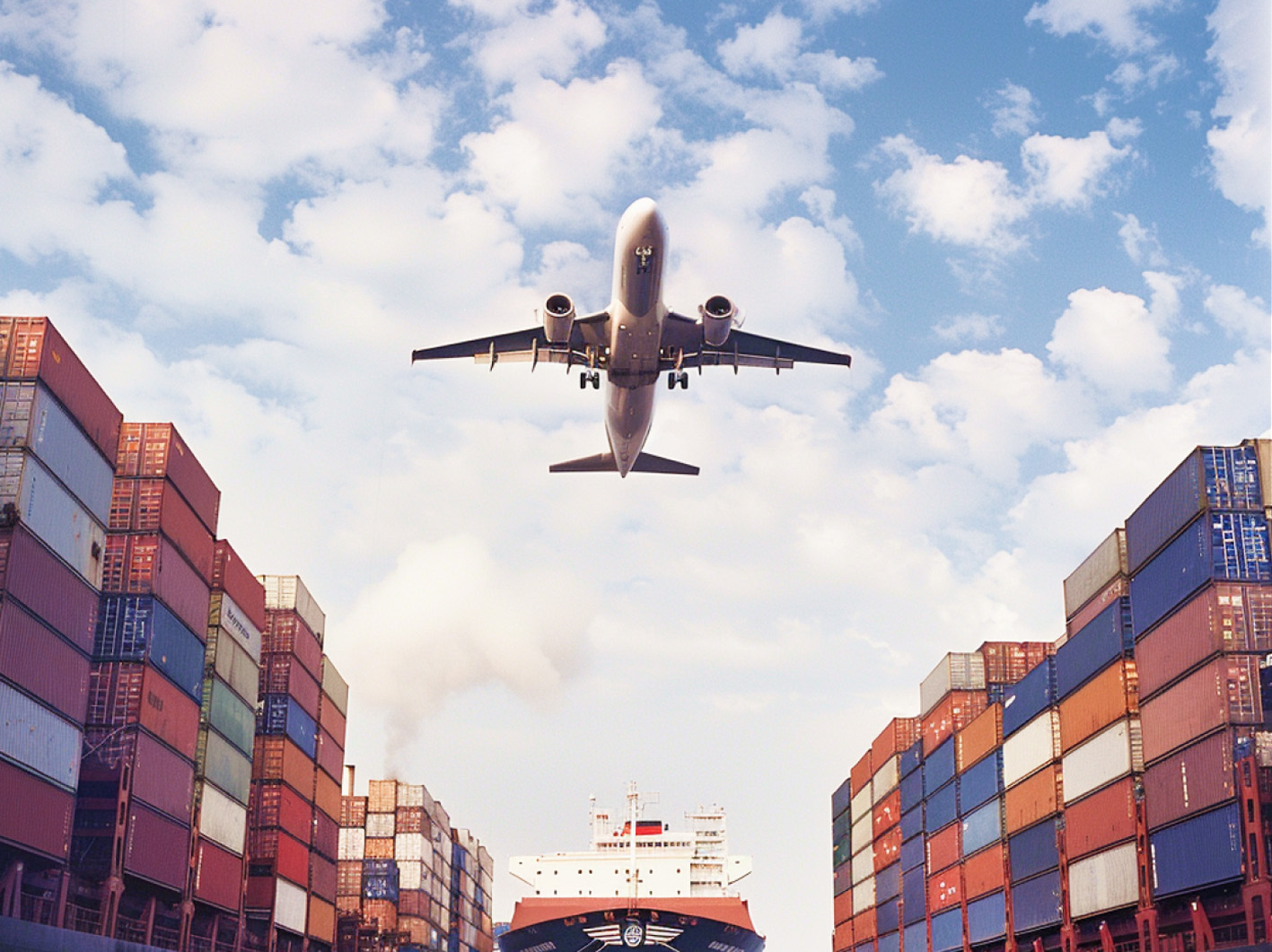
In international trade, the choice of transportation mode directly impacts costs and delivery cycles. Enterprises should scientifically match transportation methods based on cargo attributes, time requirements, and budget.
I. Sea Freight – Cost-Priced Option
Sea freight is suitable for bulk cargo, full container load (FCL) exports, and goods with less stringent time requirements. Its advantages lie in low cost and large transport volume, making it particularly suitable for the export of products such as construction machinery, automobiles, and building materials.
Applicable Scenarios:
FOB, CIF FCL exports
Large equipment transportation
Long-term bulk orders
II. Air Freight – Time-Priced Option
Air freight is suitable for high-value, lightweight, and urgent goods. Transportation time is typically 3-7 days, suitable for electronic products, precision components, and sample parts.
Applicable Scenarios:
Urgent replenishment
High value-added products
Samples and small-batch orders
III. Land Transport and Multimodal Transport – Regional Trade Advantages
Under the “Belt and Road” framework, Central Asia and China-Europe freight trains have become important channels. Multimodal transport combines sea and rail transport, improving transportation flexibility.
When choosing a mode of transportation, businesses should comprehensively consider:
Cargo volume and weight
Customer delivery time
Budgeted costs
Destination country customs clearance environment
Yongchuang International Freight Forwarding can provide optimal transportation solutions based on specific customer needs, ensuring a balance between cost and efficiency.